Last updated 2026-07-25
TL;DR
Registering a dog usually means one of three things: a city/county dog license (required almost everywhere, $10-$40/year), breed registry papers like AKC (for purebreds, $25-$40 per litter application), or USDA/state breeder registration if you sell puppies commercially. Each has a different office, form, and fee. Dog boarding runs roughly $25 to $85 a night depending on region and amenities.
What does "register a dog" actually mean?
People search this phrase for at least three different reasons, and they lead to three different offices. Sorting out which one applies to you saves a lot of wasted phone calls. First is the dog license, the local government requirement tied to rabies vaccination and animal control. Nearly every county or city in the US requires this for pet dogs over a certain age (often 4 to 6 months), and it's enforced by the county clerk, treasurer, or animal control office, not a national agency. Second is breed registry paperwork, commonly called "getting papers," which is a private (non-government) process through organizations like the American Kennel Club (AKC). This proves a dog's pedigree for showing or breeding purposes and has nothing to do with legal ownership. Third is commercial breeder registration, which applies if you're breeding and selling dogs as a business. Depending on volume and sales method, this can trigger USDA Animal and Plant Health Inspection Service (APHIS) licensing under the Animal Welfare Act, plus separate state-level breeder or kennel licensing [1] [2]. This article walks through all three, plus the boarding cost questions people often ask alongside it, since many boarding and daycare operators are also juggling their own facility licensing.
How do you register a dog with your city or county?
Getting a dog license is the most common form of "registering a dog," and the process is fairly consistent nationwide even though the office and fee vary by jurisdiction. Most counties require proof of a current rabies vaccination from a licensed veterinarian first. You then take that certificate (or the number from it) to the county treasurer, clerk, or animal control office, along with a small fee. Many counties now let you do this online or by mail. Fees typically range from about $10 to $20 a year for a spayed or neutered dog and $20 to $40 for an intact dog, though this varies widely by county and some cities charge more. Check your specific county clerk or animal control page for the exact number, since we won't guess at a figure that changes by jurisdiction. Some states set licensing rules at the state level and let counties administer them. New York, for example, requires dog licensing under Agriculture and Markets Law and mandates it be renewed annually, with the license tag serving as proof during animal control encounters [3]. Failing to license a dog can result in a fine, separate from any rabies vaccination violation. If you're running a boarding or daycare facility, your own operation may need a separate kennel or commercial animal facility license from the county, distinct from what individual pet owners get for their personal dogs. That's a facility-level license tied to zoning and health inspections, not a per-dog license.
How do you get a dog license step by step?
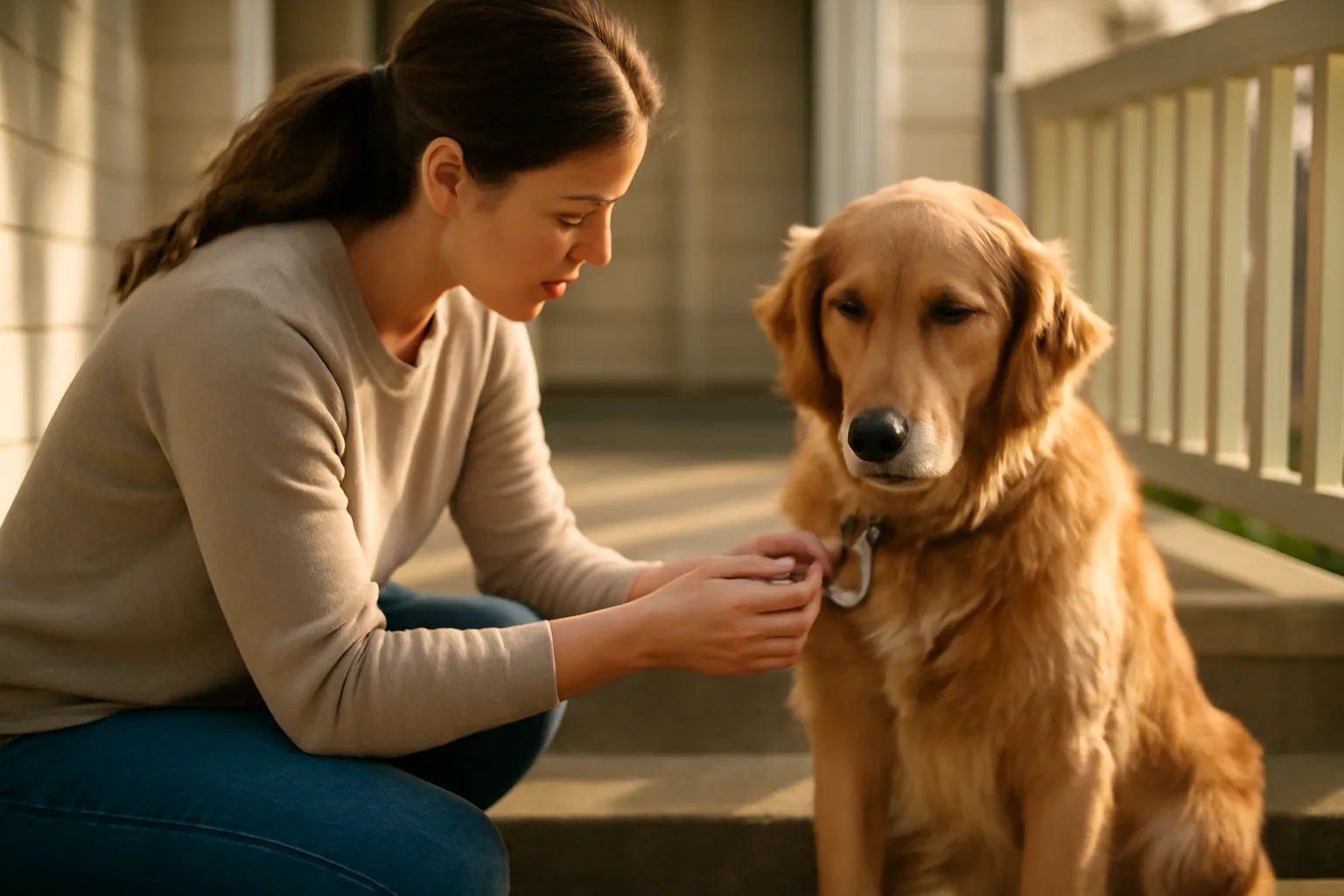
The process is short but the order matters, since most counties won't issue a license without proof of vaccination first. 1. Get your dog vaccinated for rabies by a licensed vet and keep the certificate. 2. Find your county or city's animal control or clerk's office (search "[your county] dog license" plus ".gov"). 3. Fill out the license application, listing the dog's breed, color, sex, and spay/neuter status. 4. Pay the fee, usually lower for spayed/neutered dogs. 5. Receive a tag or certificate. Attach the tag to the collar; it's your dog's ID if animal control picks them up. 6. Renew annually or every three years depending on local rules; some counties tie renewal to rabies vaccine expiration cycles (1-year or 3-year vaccines). Most states also require the license within a set window after acquiring a dog or after it reaches a certain age, commonly 4 to 6 months, so don't wait until animal control knocks.
How do you get papers for a dog (AKC and breed registration)?
"Getting papers" means registering a dog's pedigree with a breed registry, most often the American Kennel Club. It's a private organizational process, and it has zero legal bearing on whether you can own, board, or license the dog locally. To register a litter with AKC, the breeder (not the buyer) typically files the litter application soon after the puppies are born, listing both parents' AKC registration numbers. AKC litter registration and individual dog registration both carry a per-application fee, and current pricing is listed directly on AKC's registration page since it changes periodically. If you bought a puppy advertised as "AKC registered" but didn't receive papers, the seller (breeder) is the one who needs to complete the litter registration with AKC, then you register the individual puppy in your name using the paperwork they provide. If a breeder refuses or disappears, AKC has a process for buyers to report it, but there's no guarantee of a resolution since AKC doesn't police every breeder relationship. Mixed-breed dogs can't get AKC papers in the traditional sense, but AKC does offer a Canine Partners program for mixed-breed dogs to compete in some events; that's registration for participation, not pedigree. Bottom line: papers prove lineage for breeding, showing, and pricing purposes. They're not required to own a dog, board a dog, or get a dog license.
How do you become a dog breeder legally?
Becoming a legal dog breeder involves stacking a few separate approvals: local zoning, state breeder licensing (if your state has one), and possibly federal USDA licensing if you sell wholesale or exceed certain thresholds. Start with zoning. Many residential zones limit the number of adult dogs you can keep, and a "breeding kennel" often needs a conditional use permit or special exception, reviewed by the county zoning board, separate from any state agriculture license. This is worth checking before you invest in whelping infrastructure. See our county zoning resources for how that hearing process usually works. Next, check your state department of agriculture for a commercial breeder or "pet dealer" license. States like Ohio, Pennsylvania, and Missouri have their own breeder licensing statutes with inspection requirements and minimum care standards, often triggered once you keep a certain number of intact females or sell a set number of puppies per year. These thresholds and fees differ by state, so confirm directly with your state ag department rather than relying on a national number. Federally, USDA APHIS requires a Class A (breeder) license under the Animal Welfare Act if you sell puppies sight unseen (online, through a broker, or otherwise without the buyer meeting the dog and observing the parent in person) to a wholesaler, broker, or retail pet store, or if you have more than four breeding females and sell any puppies wholesale. The regulation defining who must be licensed as a dealer or exhibitor is codified at 9 CFR 2.1, which sets out license requirements and exemptions under the Animal Welfare Act [1]. Retail sales where the buyer meets the dog in person before purchase are generally exempt from federal licensing, though state rules can still apply. USDA license fees are tiered by the dollar volume of animals sold annually, and applicants must pass a pre-license inspection. The fee schedule for Animal Welfare Act licenses is set out at 9 CFR 2.6, which lists application and annual fees by class and volume tier [2]. Budget real time for this: APHIS inspections check housing, sanitation, veterinary care records, and enclosure sizing against the Animal Welfare Act standards in 9 CFR Parts 2 and 3 [4].
How much does dog boarding cost?
| Basic kennel boarding | $25-$45 | |
|---|---|---|
| Standard boarding with daycare access | $40-$65 | |
| Premium/suite boarding ("dog hotel") | $60-$120+ | |
| In-home pet sitter boarding | $35-$75 | These are market averages, not a regulated fee schedule; no federal or state agency sets boarding prices. Actual pricing depends on local labor costs, facility overhead, and add-ons like grooming or extra walks. If you're comparing options, our guides on dog boarding and pet boarding break down what drives the price difference between basic and premium tiers, and dog hotels near me covers the higher end of the market. |
Dog boarding in the US typically runs $25 to $85 per night for standard kennel or in-home boarding, with upscale "dog hotel" suites running higher in metro areas. Costs depend heavily on region, dog size, and whether the facility offers daycare-style group play versus overnight-only crating. Rough national ranges, based on typical market rates cited by boarding facility operators and consumer pet-cost surveys: | Boarding type | Typical nightly cost |
How is dog boarding pricing structured, and why does it vary so much?
Boarding costs vary because facilities are pricing in very different overhead: real estate, staffing ratios, and whether the facility is licensed for daycare-style group play versus overnight-only kennel runs. A no-frills kennel with individual runs and twice-daily walks costs less to run than a facility offering supervised group play, webcams, and private suites, and that shows up directly in nightly rates. Metro-area facilities in California or the Northeast tend to run 20-40% above rural Midwest or Southern rates for comparable service, largely reflecting rent and wage differences rather than differences in care quality. Multi-dog discounts are common (siblings boarding together often get 10-20% off the second dog), and holiday surcharges (Thanksgiving, Christmas week, July 4th) are close to universal in the industry, sometimes adding $5-$15 per night. If you're the operator setting these prices rather than the pet owner paying them, your own facility licensing costs factor into your rate structure too. That's covered more in our facility standards and operations sections.
What licenses does a boarding or daycare facility need (separate from a pet's dog license)?
A dog license tags an individual pet to an owner for animal control purposes. A boarding or daycare facility needs a completely different stack of approvals before it can legally operate. At minimum, expect to need: a local business license, a zoning approval or conditional use permit (boarding kennels are frequently restricted to commercial or agricultural zones), a state kennel or animal facility license if your state requires one, and a fire/health inspection sign-off before opening. Some states fold boarding kennels into the same commercial breeder/pet dealer statute mentioned above; others have a distinct "boarding kennel" license category with its own caging, ventilation, and record-keeping rules. Zoning is usually the part that trips up new operators, because it involves a public hearing, notice to neighbors, and sometimes conditions like noise limits, operating hours, or a cap on the number of dogs. If you're prepping for that hearing, our county zoning hub walks through what boards typically ask for. We're not a law firm or zoning consultant and we don't represent anyone before a board or agency; this is reference information, not legal advice. For a first pass at organizing the state and county paperwork you'll likely need before that hearing, the $149 Kennel License & Zoning Packet is built as a starting checklist, not a substitute for your county's actual application or an attorney's review.
How do USDA thresholds interact with state breeder and kennel licensing?
USDA licensing and state licensing are separate systems that sometimes overlap and sometimes don't, which confuses a lot of breeders and boarding operators. USDA APHIS licensing under the Animal Welfare Act applies to breeders selling wholesale, sight-unseen, or through brokers, and to certain commercial boarding/handling operations depending on how animals are acquired and transferred, per the licensing and definitions set out in 9 CFR 2.1 and the retail pet store exemption described in 9 CFR 1.1 [4]. USDA does not require a license for someone who breeds a small number of litters and sells every puppy through in-person, retail transactions, and it does not license or regulate pure boarding/daycare businesses that only care for other people's pets (no ownership transfer involved), though some large boarding operations that also broker animals could trigger different rules. State licensing is separate and often broader. A state's department of agriculture may require a kennel or breeder license at a lower threshold than USDA's four-breeding-female trigger, and it may also license boarding and daycare facilities that USDA doesn't touch at all, since those are purely intrastate commercial activities. The practical takeaway: check both. Confirm your USDA obligation directly against the licensing regulation at 9 CFR 2.1 [1], and separately confirm your state's threshold and forms through your state department of agriculture, since neither one will tell you about the other's requirements.
What records do you need to keep after registering or licensing a dog?
Once a dog is licensed and, if applicable, registered with a breed registry, you'll want a simple paper trail, since animal control, boarding facilities, and even airlines will ask for some combination of these documents. Keep the rabies vaccination certificate (with expiration date), the license tag/number, microchip registration confirmation if the dog is chipped, and any breed registry papers if relevant. Boarding facilities almost universally require current rabies and often Bordetella (kennel cough) vaccination proof before accepting a dog, separate from the government dog license. For breeders operating under a USDA or state license, recordkeeping is a formal inspection item, not a suggestion. USDA regulations require licensees to maintain records of acquisition, disposition, and veterinary care for each regulated animal, and inspectors check these records during routine and pre-license inspections under the recordkeeping requirements in 9 CFR Part 2, Subpart D (9 CFR 2.75 through 2.79) [4]. Missing or incomplete records are one of the most common citation types in APHIS inspection reports.
How does registering a dog differ across states?
There's no federal dog licensing law; every requirement mentioned in this article, aside from USDA breeder rules, is set by state, county, or city government. That means the same question, "how do I register my dog," has a different literal answer depending on your zip code. Some states (like New York) set licensing rules in state statute and let counties handle administration and fee-setting [3]. Others leave dog licensing entirely up to municipalities, so a dog crossing a county line in the same state might face a completely different fee schedule or renewal cycle. Still others have no state-level dog licensing law at all and leave it purely to city ordinance. Breeder and kennel licensing follows the same patchwork pattern. A handful of states have detailed commercial breeder statutes with specific caging, exercise, and veterinary-care standards; many others have thin or no state-level breeder license and rely mostly on county zoning and the federal USDA layer to catch commercial operations. Because of this variation, the only reliable move is to check your specific state department of agriculture page and county clerk or animal control page before assuming a fee or rule from a different state applies to you.
Frequently asked questions
How much does dog boarding cost per night?
Typical US dog boarding runs $25 to $85 per night depending on facility type and region, with basic kennel boarding at the low end and premium "dog hotel" suites running $60-$120+ in metro areas. There's no regulated price; it's set by each facility based on local overhead, staffing, and amenities like group play or private suites.
How do I register a dog with the city or county?
Get a current rabies vaccination certificate from your vet, then bring it (or the certificate number) to your county clerk, treasurer, or animal control office along with the licensing fee, typically $10-$40 a year depending on spay/neuter status and jurisdiction. You'll receive a tag; attach it to the collar and renew annually or per your local cycle.
How do you get papers for a dog?
"Papers" usually means breed registry documents like AKC registration, filed by the breeder shortly after a litter is born, listing both parents' registration numbers. It's a private process with its own fee, unrelated to government dog licensing. If a breeder promised papers but hasn't delivered them, they're the one who needs to complete the litter registration with the registry.
How can I get papers for my dog if the breeder never gave me any?
Contact the breeder directly and ask them to complete the AKC (or relevant registry) litter registration, since only the breeder can register a litter after the fact in most cases. If they refuse or can't be reached, some registries have a complaint process, but there's no guarantee of a resolution, and a dog without papers is still fully legal to own and license locally.
How do I become a dog breeder legally?
Check local zoning for kennel or breeding restrictions first, then check your state department of agriculture for a commercial breeder license (thresholds and fees vary by state). If you sell puppies wholesale, through brokers, or sight-unseen and keep more than four breeding females, you likely need a USDA APHIS Class A license under the Animal Welfare Act.
How do I get a dog license?
Vaccinate your dog for rabies, then apply through your county clerk, treasurer, or animal control office, providing proof of vaccination and paying the local fee (commonly $10-$40 annually, lower for spayed/neutered dogs). Some counties allow online applications. Renewal timing usually follows your rabies vaccine's 1-year or 3-year cycle.
Is a dog license the same thing as AKC registration?
No. A dog license is a government requirement tied to rabies control and animal control identification, issued by your county or city. AKC (or other breed registry) registration is a private process proving pedigree for showing or breeding. You can have one without the other; most pet dogs only ever get the government license.
Do I need a USDA license to sell puppies?
Only if you sell wholesale, through a broker, or sight-unseen to buyers, and you keep more than four breeding females, per the dealer licensing definitions in 9 CFR 2.1 under the Animal Welfare Act. Breeders who sell every puppy through in-person, retail transactions with the buyer meeting the dog generally don't need a federal license, though state rules may still apply.
What does it cost to get a USDA breeder license?
USDA APHIS licensing fees are tiered by annual dollar volume of animal sales, with application and annual fees set out in 9 CFR 2.6, plus a required pre-license inspection of housing and care standards. Exact current fee tiers are listed in that regulation, since amounts are periodically updated by rulemaking.
Can a boarding or daycare facility be regulated without breeding any dogs?
Yes. Boarding and daycare facilities typically need a local business license, zoning approval (often a conditional use permit), and in many states a kennel or animal facility license from the state department of agriculture, entirely separate from any breeder or USDA licensing, since no animals are being sold.
How often do I need to renew a dog license?
Most counties require annual renewal, though some tie it to a 3-year rabies vaccination cycle instead. Check your specific county animal control or clerk's page, since renewal timing and grace periods vary and late renewal often triggers a penalty fee on top of the base license cost.
Does every state require dog licensing?
No single federal law requires it; licensing is set by state or local law and enforcement varies widely. Some states like New York set licensing requirements in state statute administered by counties, while many other states leave it entirely to city or county ordinance, and a few areas have no formal dog licensing requirement at all.
Sources
- eCFR, Animal Welfare Act licensing requirements: Threshold and definitions for requiring a USDA dealer/breeder license (more than 4 breeding females selling offspring sight unseen)
- eCFR, Animal Welfare Act license fees: USDA license fees are tiered by annual dollar volume of animal sales and class of license
- New York State Senate, Agriculture and Markets Law: New York requires annual dog licensing under state statute administered locally
- eCFR, Title 9 Chapter I (Animal Welfare Act regulations): Animal Welfare Act recordkeeping, housing, and care standards enforced during APHIS inspections
- eCFR, Animal Welfare Act recordkeeping requirements: USDA licensees must maintain acquisition, disposition, and veterinary care records checked during inspections