Last updated 2026-07-23
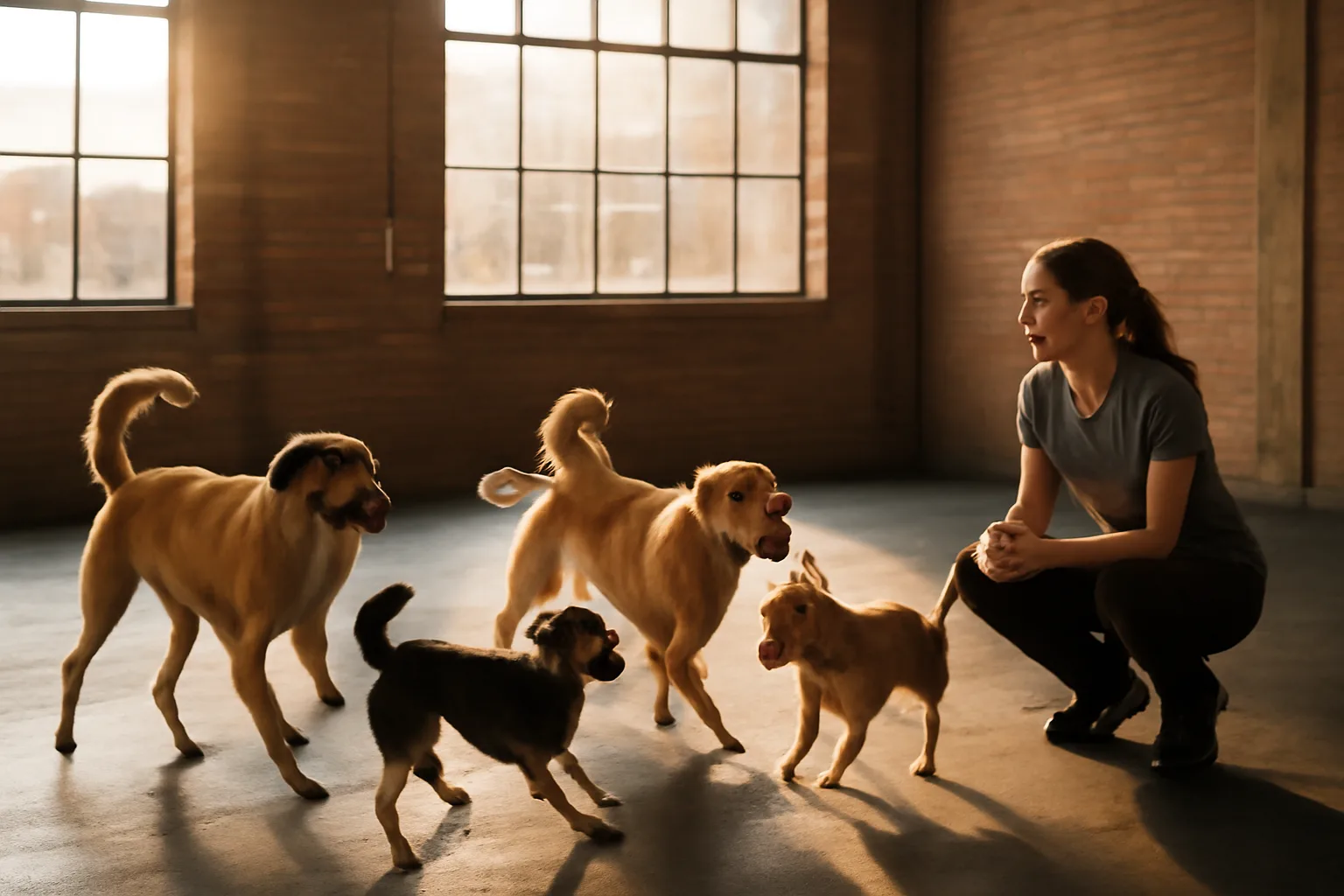
TL;DR
Dog daycare in Charlotte typically costs $25 to $40 a day; overnight boarding runs $35 to $65. Operators need a Mecklenburg County Animal Care and Control permit, a zoning check for kennel or commercial animal use, and (if selling puppies across state lines or through a broker) possible USDA APHIS licensing. There's no city-issued 'daycare license' separate from the county process.
How much does dog daycare cost in Charlotte
Expect to pay $25 to $40 per day for standard daycare in the Charlotte metro, with a slight premium for uptown, South End, and Ballantyne locations versus outer suburbs. Multi-day punch passes usually knock the per-day rate down 10-20%, and most facilities offer a monthly unlimited plan somewhere between $250 and $450. These are market ranges pulled from typical Charlotte-area facility pricing, not a government-set fee, so treat them as planning numbers rather than a quote. If you're building a business plan, call five to eight competitors directly (Dogtopia locations, independent daycares, and boarding-only kennels) and ask for their current published rate, because pricing shifts with fuel costs, staffing wages, and lease terms every year. Add-ons move the number a lot. Grooming bundled with a daycare day can add $20-$60 depending on coat and size. Transport/pickup service, when offered, often runs $10-$20 each way. If you're comparing options as a pet owner rather than an operator, dog hotels near me and doggy day care break down what separates a basic daycare from a full-service boarding hotel.
How much is dog boarding in Charlotte
Overnight boarding in Charlotte generally runs $35 to $65 a night for a standard kennel or suite, with luxury cage-free or in-home style boarding pushing $70-$100+ a night at the high end. Boarding combined with daycare play time during the day (rather than just crate time) sits at the upper half of that range. What drives the spread: square footage per dog, staff-to-dog ratios, whether the facility offers webcams, and whether it's a big-box franchise versus an independent kennel operating out of a converted warehouse or rural property. Rural boarding kennels outside the I-485 loop, where land is cheaper and zoning is more permissive for animal use, often undercut in-town pricing by $10-$15 a night. Holiday weekends carry a surcharge too. Thanksgiving, Christmas week, and July 4th routinely add $5-$15 per night plus a deposit requirement. Demand spikes hard around those dates, and good kennels book out 4-8 weeks ahead. If you're pricing your own facility, pet boarding and dog boarding go deeper on rate structures, cancellation policy design, and how to model occupancy against fixed costs like rent and payroll.
What license do I need to open a dog daycare or boarding kennel in Charlotte
There's no separate 'city of Charlotte daycare license.' Kennel, boarding, and daycare facilities in Charlotte fall under Mecklenburg County's animal control ordinance, administered by Mecklenburg County Animal Care and Control (MCACC), plus a local zoning review for the specific address. Mecklenburg County requires a kennel license for any facility that boards, breeds, or keeps multiple dogs commercially, and the county's animal ordinance sets minimum care and confinement standards that inspectors check against during a site visit. Contact Mecklenburg County Animal Care and Control directly for the current permit application, fee schedule, and inspection checklist, since these get updated periodically and the county's own page is the authoritative source. Before you sign a lease, confirm the zoning designation with the Charlotte-Mecklenburg Planning, Design & Development Department. Kennels and animal boarding uses are typically restricted to specific commercial or industrial zoning districts under the Charlotte Unified Development Ordinance (UDO), and many residential and even some general commercial zones will not allow a boarding kennel by right, meaning you'd need a conditional use or rezoning process before you can open. That review can take weeks to months depending on whether neighbors object at a hearing, so build that timeline into your lease negotiations rather than signing a short-fuse lease and hoping zoning clears in time. If you plan to operate in a surrounding county (Cabarrus, Union, Gaston, York County SC just across the border), the licensing authority changes. Each county runs its own animal control ordinance and zoning code, so a Mecklenburg County kennel license does not transfer to, say, Union County. Always verify with the specific county's animal control and planning office where your address sits.
How do I register a dog in Charlotte / Mecklenburg County
Registering a dog in Mecklenburg County means getting it a county rabies tag and license, which is separate from any 'papers' proving breed or pedigree. State law (North Carolina General Statute 130A-185) requires dogs and cats four months and older to be vaccinated against rabies, and counties use that vaccination record to issue a rabies tag [1]. The practical steps: get your dog vaccinated against rabies by a licensed veterinarian, then register that vaccination with Mecklenburg County Animal Care and Control (many vets submit this electronically at the time of the shot). The county issues a tag that should stay on the collar. Fees are modest, typically in the range of $10-$20 a year with discounts for spayed/neutered animals, though you should confirm the current fee on the county's site since these numbers change. If you're asking this question because you're vetting daycare or boarding clients, note that reputable Charlotte facilities require proof of rabies vaccination (and often DHPP/distemper and Bordetella) before a dog can attend, regardless of county registration status. That's a facility policy for disease control, not a legal registration requirement, but it's functionally mandatory if you want your dog admitted anywhere decent.
How do I get a dog license (and is that the same as papers)
A dog license (sometimes called a rabies tag or county registration) is a local government requirement tied to rabies control. 'Papers' (AKC registration, pedigree certificates) is a completely separate, private thing issued by a breed registry, not any government agency. People conflate these constantly, and it causes real confusion when someone calls a county office asking to 'register a purebred.' To get a dog license in most NC counties, including Mecklenburg: vaccinate for rabies through a licensed vet, then register that vaccination with the county animal control office, pay the small annual fee, and keep the tag on the collar. Some counties tie licensing to spay/neuter status with a lower fee for altered animals as an incentive. There is no national 'dog license' database and no federal requirement to license a pet dog. Requirements are entirely county or municipal, so a dog licensed in Mecklenburg County isn't automatically licensed if the owner moves to, say, Wake County. Always re-register after a move.
How do you get papers for a dog (AKC registration explained)
'Papers' means registration with a breed registry like the American Kennel Club (AKC), not a government document. To register a litter, the breeder registers the litter with AKC (or another registry such as UKC), and each puppy then gets individual registration paperwork that the buyer receives at sale, usually alongside a pedigree showing at least three to four generations of ancestry. If you already own a dog and were never given papers at purchase, options are limited and depend entirely on the breeder's cooperation. If the breeder registered the litter but never sent your individual paperwork, contact them directly, since only the breeder or the registry (with the breeder's litter record) can generate that documentation. If the parents were never registered at all, there is no way to retroactively create legitimate AKC papers for a mixed-history dog; some registries offer 'indefinite listing privilege' (ILP) pathways for spay/neuter competition eligibility on unregistered purebreds, which is worth checking directly with AKC if your goal is just to compete in AKC events rather than get a pedigree. Be wary of any service that promises to 'get papers' for a dog with unknown parentage for a fee. That's not how legitimate registries work, and it's a common scam angle aimed at people who don't understand that papers trace back to a registered breeding pair, not to the individual dog's appearance or DNA test alone.
How do I become a dog breeder in North Carolina
North Carolina doesn't require a specific 'breeder's license' to breed a small number of litters, but several layers of regulation kick in depending on volume and how you sell. First, check your county and city zoning, since many residential zones cap the number of adult dogs allowed without a kennel permit, and breeding multiple litters commercially usually crosses that threshold. Mecklenburg County's kennel licensing requirement applies to breeders keeping dogs for breeding purposes at a scale beyond a typical household pet, so confirm with MCACC before you plan a breeding program at a Charlotte-area property. At the federal level, the US Department of Agriculture (USDA APHIS) requires a license under the Animal Welfare Act for anyone who breeds and sells dogs wholesale, meaning sight-unseen sales (online, through a broker, to a pet store, or to someone who never physically visits your facility before purchase) if you have more than four breeding females and sell puppies commercially. APHIS states directly: 'If you have more than four breeding female dogs, cats, and/or small exotic or wild mammals and you sell any of these animals or their offspring sight unseen (over the internet, by phone, or through the mail) to the buyer, you are considered a dealer and must be licensed' [2]. If every sale happens face-to-face, with the buyer meeting the puppy and the breeding female before purchase, you generally fall under a common retail exemption and don't need a USDA license, but this exemption has specific conditions worth reading closely on APHIS's own guidance rather than assuming you qualify [3]. North Carolina also has its own state-level pet dealer/breeder oversight for larger operations. Contact the NC Department of Agriculture & Consumer Services for the state's current requirements around commercial breeding, since these thresholds and paperwork exist separately from your county kennel license and any federal USDA license. Stack it up practically: small hobby breeder with one or two litters a year, all sold locally with buyers visiting the property, likely just needs to clear county zoning and possibly a kennel permit depending on how many adult dogs you keep. Cross into wholesale, multi-litter, ship-anywhere territory and you're now dealing with USDA, state ag oversight, and county licensing all at once. That stacking is exactly the kind of multi-agency mess a lot of new breeders don't see coming until an inspector shows up unannounced.
What's the difference between a Charlotte business license, county kennel permit, and USDA license
| Business license / privilege registration | City of Charlotte / NC Dept of Revenue | Any commercial operation | General business registration, sales tax if applicable | |
|---|---|---|---|---|
| Kennel/animal facility permit | Mecklenburg County Animal Care and Control | Boarding, daycare, breeding kennels | Confinement, sanitation, care standards, site inspection | |
| Zoning approval | Charlotte-Mecklenburg Planning Dept | Any commercial animal-keeping use | Whether the address's zoning district allows kennel use, conditional use hearing if not | |
| USDA APHIS license | US Dept of Agriculture | Wholesale/sight-unseen dog breeders and dealers | Facility standards under the Animal Welfare Act, annual inspections [2] | Miss any one of these and you're exposed. A common failure pattern: an operator gets the county kennel permit and a business license, opens, and then gets a zoning complaint from a neighbor six months in because the property was never actually zoned for commercial animal boarding. Zoning enforcement in Charlotte can force a shutdown or costly retrofit even after you've already got paying clients. Check zoning first, before signing a lease, not after. |
These are three different things issued by three different levels of government, and a lot of new operators assume one covers the others. It doesn't. | Requirement | Issued by | Applies to | What it checks |
How do I prepare for a Mecklenburg County kennel inspection
Mecklenburg County Animal Care and Control inspects facilities against the county's animal ordinance standards covering confinement, sanitation, ventilation, and record-keeping. Expect the inspector to check kennel/run size relative to dog size and number, cleaning and disinfection schedules, availability of clean water at all times, secure fencing/containment (double-gate entry systems are common expectations for larger facilities), and proof of rabies vaccination records for resident and boarded animals. If you're also USDA-licensed (because you breed and sell wholesale), APHIS inspectors check a more detailed facility standards list under 9 CFR Part 3, covering things like minimum space per animal based on a formula tied to the dog's length, temperature control ranges, and outdoor housing requirements for facilities that use them [4]. USDA inspections are typically unannounced and happen at least once during the initial licensing process, with follow-up frequency depending on compliance history. Practical prep that actually matters: keep a written daily cleaning log. Inspectors love seeing this because it shows a system, more than a clean day because they happened to show up. Keep vaccination records for every dog on-site in a single accessible file. Walk your own facility monthly with the inspection checklist in hand rather than waiting for the county to find the gap first.
How long does zoning approval take for a dog daycare in Charlotte
Zoning timelines vary hard depending on whether your address already permits kennel/animal boarding use by right or needs a conditional use permit or rezoning. If the zoning district already allows it, you might just need a straightforward permit review, which can take a few weeks. If it doesn't, you're looking at a conditional use process that includes a public hearing, and those typically run two to four months minimum in Charlotte-Mecklenburg's process, longer if there's neighbor opposition or the case gets continued. That gap between 'zoning already fine' and 'needs a hearing' is the single biggest timeline risk for new daycare and boarding operators. It's exactly why so many businesses sign a lease before checking zoning and then scramble for months trying to get a use permitted after the fact. Call the Charlotte-Mecklenburg Planning, Design & Development Department with the specific parcel address before you commit to any lease. If you want a structured way to organize the zoning and licensing documentation before your hearing or county submission, a $149 one-time Kennel License & Zoning Packet at /license-packet-builder walks through the standard documents most counties and zoning boards ask for, so you're not assembling it from scratch the week before a hearing. It doesn't replace legal advice or represent you before a board; it's a document prep tool, and you should still confirm every requirement directly with Mecklenburg County and Charlotte-Mecklenburg Planning.
Do I need USDA licensing if I just run a Charlotte daycare (no breeding)
No. USDA APHIS licensing under the Animal Welfare Act applies to breeders and dealers, specifically operations selling dogs (particularly sight-unseen or wholesale), research facilities, and certain exhibitors. A daycare or boarding-only operation that doesn't breed or sell dogs has no USDA licensing trigger at all [2]. Where it gets confusing: a facility that both boards dogs and runs a small breeding program on the side needs to separately evaluate the breeding side against USDA thresholds (more than four breeding females plus any sight-unseen sales), even though the boarding side of the business is purely a county/zoning matter. Keep these two regulatory tracks mentally separate when you're planning. Conflating them is how operators either over-comply (paying for USDA paperwork they don't need) or under-comply (missing a federal license they do need).
Frequently asked questions
How much does dog daycare cost in Charlotte NC?
Typical daycare runs $25-$40 per day in the Charlotte metro, with monthly unlimited packages between $250-$450. Rates vary by neighborhood, staff ratios, and whether grooming or transport is bundled in. Call current local providers for exact pricing since this isn't government-regulated and shifts yearly with wages and rent.
How much is dog boarding in Charlotte?
Standard overnight boarding costs $35-$65 a night in Charlotte, with cage-free or luxury suite options running $70-$100+. Holiday weeks often add a $5-$15 per night surcharge plus a deposit. Rural kennels outside the I-485 loop tend to run cheaper than uptown or South End locations.
How do I register a dog in Mecklenburg County?
Get your dog vaccinated against rabies through a licensed vet (required by age four months under NC GS 130A-185), then register that vaccination with Mecklenburg County Animal Care and Control to receive a rabies tag. Fees are typically modest annually, less for spayed/neutered dogs. Confirm current fees directly with the county.
How do you get a dog license?
Vaccinate your dog for rabies through a licensed veterinarian, then register the vaccination with your county animal control office (Mecklenburg County Animal Care and Control locally) to get a rabies tag. This is a county-level requirement, not federal, so licensing doesn't transfer automatically if you move counties.
How do you get papers for a dog?
Papers come from a breed registry like AKC, not a government office. The breeder registers the litter and provides individual puppy paperwork at sale. If you weren't given papers at purchase, contact the breeder directly; there's no legitimate way to create AKC papers retroactively for a dog with unregistered or unknown parentage.
How do I get papers for my dog if the breeder never gave them to me?
Contact the breeder first, since only they (or the registry using their litter record) can issue your individual registration. If the litter itself was never registered, or the parents weren't registered purebreds, there's no legitimate path to create AKC papers after the fact. Be skeptical of any paid service claiming otherwise.
How do I become a dog breeder in North Carolina?
Check county zoning first (many residential zones cap adult dogs without a kennel permit), then check whether you need a Mecklenburg County kennel license. If you'll sell more than four breeding females' worth of puppies sight-unseen, you likely need a USDA APHIS dealer license. Contact NC Dept of Agriculture for state-level breeder rules too.
Do I need a USDA license to breed dogs in Charlotte?
Only if you have more than four breeding female dogs and sell any puppies sight-unseen (online, phone, mail) rather than in face-to-face transactions. APHIS states this threshold directly in its licensing guidance. Face-to-face-only sellers usually qualify for the retail exemption, but read the exemption conditions carefully before assuming you're covered.
What's the difference between a kennel license and a business license?
A business license (city/state) registers you as a commercial operation generally. A kennel license (Mecklenburg County Animal Care and Control) specifically permits and inspects a facility that boards, breeds, or houses dogs commercially, checking sanitation and confinement standards. You typically need both, plus separate zoning approval for the address.
How long does it take to open a dog daycare in Charlotte?
If your zoning already allows kennel/boarding use, a few weeks for permitting is realistic. If your address needs a conditional use permit or rezoning, budget two to four months minimum for the Charlotte-Mecklenburg hearing process, longer with neighbor opposition. Check zoning before signing any lease to avoid this timeline surprise.
Can I run a dog daycare out of my house in Charlotte?
Most residential zoning districts in Charlotte-Mecklenburg restrict commercial kennel or boarding use, meaning a home-based paid daycare likely needs a conditional use permit or isn't allowed at all in that district. Confirm with Charlotte-Mecklenburg Planning, Design & Development before accepting any paying boarding or daycare clients from a residential address.
Is a dog license the same as AKC papers?
No. A dog license is a county government requirement tied to rabies vaccination and public health tracking. AKC papers are private breed-registry documents proving pedigree, issued only by the registry through the breeder. You can have one without the other; they serve completely different purposes.
Sources
- North Carolina General Statutes, Chapter 130A-185: NC requires rabies vaccination for dogs and cats four months and older
- USDA APHIS Animal Care, Animal Welfare Act licensing FAQ: Breeders with more than four breeding females selling sight-unseen must be USDA licensed as a dealer
- USDA APHIS, Animal Welfare Act retail pet store exemption (9 CFR 2.1): Face-to-face retail sales exemption conditions under the Animal Welfare Act
- Animal Welfare Act Regulations, 9 CFR Part 3, Subpart A (dog and cat facility standards): Federal facility standards for space, temperature, and housing for USDA-licensed dog breeding facilities
- Mecklenburg County Animal Care and Control: Mecklenburg County Animal Care and Control administers dog registration and kennel permits for Charlotte residents and businesses.
- City of Charlotte Zoning Ordinance: Charlotte's zoning ordinance determines approval timelines and use permissions for opening a dog daycare or boarding kennel.
- North Carolina General Statutes Chapter 19A: North Carolina law under Chapter 19A establishes standards for the humane treatment and regulation of animals, including kennel operations.