Last updated 2026-07-25
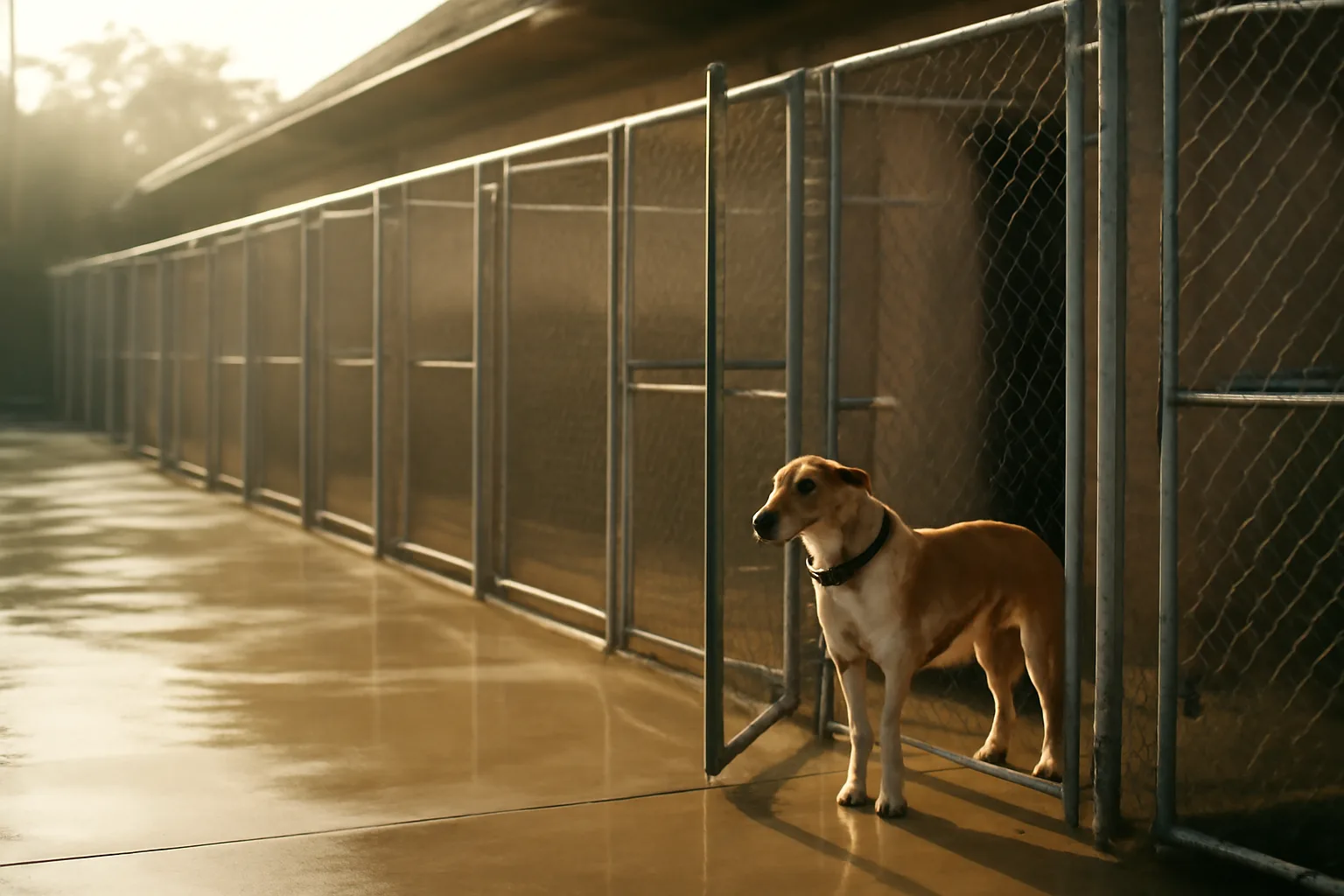
TL;DR
Texas issues no single statewide 'kennel license.' Licensing is local: your city or county animal control office (or health department) issues the boarding/breeding permit, and if you sell dogs across state lines or through retail channels you may also need a USDA APHIS license under 9 CFR Part 2. Check your county appraisal district and city clerk first.
Does Texas have a statewide kennel license?
No. Texas does not run a single state kennel licensing program the way it licenses veterinarians or cosmetologists. The Texas Department of Licensing and Regulation (TDLR) handles things like the Dog or Cat Breeder program under the Texas Occupations Code Chapter 802, but that program is narrower than most people expect: it applies to breeders who keep 11 or more intact female dogs or cats and sell more than 20 offspring a year, sold sight unseen to the buyer (think internet or broker sales) [1]. For everyone else, boarding kennels, daycares, groomers-with-overnight-stays, and most small breeders, licensing happens at the city or county level. That means the actual rules (fees, inspection frequency, kennel setback distances, noise limits) vary a lot depending on whether you're in Harris County, Travis County, or an unincorporated area with no zoning at all. There is no substitute for calling your local animal control office or county clerk before you sign a lease. If you're planning a facility that will also breed and sell dogs, you need to separately check whether you cross the TDLR Chapter 802 threshold and whether you cross the federal USDA APHIS threshold, covered below. Those are three different regulatory layers that can all apply to the same building.
How do I get a kennel or boarding facility license in Texas?
Start with three calls, not one. First, your county or city animal control office, since most permits for boarding kennels are issued locally, often under a health and sanitation code rather than an 'animal' code specifically. Second, the county zoning or planning department (or city planning department if you're inside city limits) to confirm the parcel is zoned for a commercial kennel use, and whether you need a Certificate of Occupancy or a special use permit. Third, your county appraisal district or fire marshal if the operation includes overnight boarding, since occupancy and fire code review often trigger separately from the animal permit itself. Many Texas counties without their own animal control ordinance rely on the state's general Health and Safety Code provisions for rabies control and animal shelters (Chapter 826), but that's about rabies vaccination and impoundment, not kennel business licensing [2]. Cities with their own municipal code (Houston, Austin, San Antonio, Dallas, Fort Worth) each have their own kennel or 'commercial animal establishment' permit ordinance, and fees and inspection schedules differ block to block once you cross a city line. A realistic sequence looks like this: confirm zoning first, because a rejected zoning application kills the project before you spend money on facility buildout. Then apply for the local business/kennel permit. Then schedule your pre-opening inspection. Budget real time for this. Some cities process kennel permits in two to four weeks; others require a public hearing if you're requesting a zoning variance, which can add two to three months. If you want a structured way to track every step and every local contact you need to call, a dog boarding guide and a dog kennels overview both walk through general facility requirements that apply regardless of state.
What zoning approvals does a dog boarding kennel need in Texas?
Zoning is usually the harder hurdle, not the licensing paperwork itself. Kennels and boarding facilities are commonly classified as a conditional use or special exception in residential-adjacent commercial zones, meaning your city or county planning commission has to approve the specific use for that specific parcel, more than issue a permit off a checklist. Expect questions about noise (barking ordinances exist in most Texas cities and are enforced separately from the kennel permit), setback from residential property lines, outdoor run hours, and waste disposal. Unincorporated areas of many Texas counties have no zoning at all, which sounds like a shortcut, but it usually just means you fall back to state nuisance law and county health rules instead of a predictable ordinance, which can be riskier for a first-time operator, not easier. If your county or city requires a public hearing for a special use permit, treat it like a real project. Bring a site plan, a noise mitigation plan (double-door entry vestibules, sound-dampening for outdoor kennels, an anti-bark protocol), and be ready to answer directly about traffic and hours of operation. Neighbors' complaints at these hearings are almost always about noise and smell, so address both before anyone asks. For operators comparing what a hearing looks like generally, a pet boarding resource covers common zoning objections and how other operators have responded to them.
What are Texas's facility and sanitation standards for kennels?
If your kennel intends to sell puppies wholesale or across state lines and falls under USDA licensing (covered below), the federal Animal Welfare Act regulations at 9 CFR Part 3 set specific minimum standards: primary enclosures must give each dog enough space to stand, sit, lie down, and turn about freely, and housing facility temperatures for dogs must not go below 50°F for more than four consecutive hours or above 85°F for more than four consecutive hours unless the dogs are acclimated [3]. If you're not USDA-licensed (most boarding/daycare operators aren't, since Part 2 licensing generally attaches to breeding and wholesale sales, not boarding), your facility standards come from whatever your city or county kennel ordinance specifies, and these vary widely. Some counties have no written facility standard beyond a general health nuisance code. Others (particularly larger cities) specify minimum kennel square footage per dog, drainage requirements, ventilation, and daily waste removal. Regardless of which layer applies, plan your build to the stricter of the two standards you might eventually need. It's cheaper to build once to a defensible standard than to retrofit after a county inspector or a USDA inspector flags something.
How much does dog boarding cost, and how does licensing affect what you can charge?
Nationally, dog boarding runs roughly $25 to $85 per night depending on region, amenities, and whether it's a basic kennel stay or a daycare-style suite with webcam access and extra playtime; luxury 'pet hotel' stays in major metros can run higher. Texas metro pricing (Austin, Dallas, Houston) tends to sit in the $35 to $65 per night range for standard boarding, with premium suites running higher, though there's no single authoritative government price survey for this, so treat that range as market-observed rather than regulatory. Licensing itself doesn't set your price, but it does set your cost floor. Permit fees, inspection compliance costs (fencing, drainage, fire suppression if required), and any zoning variance costs all get baked into what you have to charge to break even. A facility that skips proper licensing to save a few hundred dollars a year is taking on real legal exposure: operating an unpermitted commercial kennel can mean fines, a forced shutdown mid-lease, or a zoning enforcement action that costs far more than the permit would have. If you're pricing out a new facility, a dog hotels near me comparison and the doggy day care guide both break down typical service tiers operators use to structure pricing.
How do you register a dog in Texas (and how is that different from a kennel license)?
Registering an individual pet dog is a completely separate process from licensing a commercial kennel, and a lot of new operators conflate the two. Individual dog registration in Texas is handled locally too, but it usually means rabies vaccination registration through your county or city, not a state database. Texas Health and Safety Code Chapter 826 requires dogs and cats over four months old to be currently vaccinated against rabies, and many counties and cities require proof of that vaccination to be registered with the local rabies control authority [2]. If a client asks 'how do I register a dog' at your front desk, the honest answer is: check with the city or county animal control office where the dog resides, since some Texas cities (Austin, for example, through Austin Animal Center) issue pet licenses tied to rabies vaccination and microchip status, while many rural counties have no individual pet registration requirement at all beyond the rabies vaccination itself. A kennel license is a business permit for your facility. Dog registration is a per-animal rabies/ID requirement for the pet owner. Boarding facilities often get asked to verify a dog's rabies registration or vaccination status before intake, which is a good practice regardless of whether your city requires formal registration, since it protects your facility from liability if a dog bites another dog or a staff member.
How do you get papers for a dog, and how is that different from a license?
'Getting papers' for a dog almost always means registering the dog's pedigree with a breed registry like the American Kennel Club (AKC), not a government license. AKC registration requires the litter to be registered by the breeder, with the puppy then registered individually by the buyer using a registration application the breeder provides at the time of sale. There's no government agency that issues 'papers' in the pedigree sense; it's a private registry system, and Texas has no state role in it. If you're a breeder trying to figure out how to get papers for the puppies you're selling, the sequence is: register your kennel name with the registry you're using (AKC, UKC, or a breed-specific club), register each litter after birth, then transfer individual registration to buyers at sale. This is entirely separate from your Texas TDLR breeder license (if you cross the 11-female/20-offspring threshold) and separate from any USDA APHIS license (if you sell wholesale or across state lines). A dog can have full AKC papers and still be sold by an unlicensed, non-compliant breeder, since the registry doesn't verify facility conditions or state licensing status. Buyers asking 'how can I get papers for my dog' after the fact (meaning a dog they already own) generally can't, unless the breeder registered the litter and simply never transferred the individual registration; in that case, the breeder (or the registry, in limited cases) is who a buyer needs to contact, not a government office.
How do you get a dog license in Texas?
There's no single Texas state dog license. What most people mean by 'dog license' is the local rabies tag or registration issued by a city or county after proof of current rabies vaccination, required under Health and Safety Code Chapter 826 for dogs and cats over four months old [2]. Requirements and fees differ by jurisdiction: some Texas cities issue a physical tag annually or every three years tied to the vaccine's duration, others just keep vaccination records on file with no physical tag at all. To get one: take your dog to a licensed veterinarian for a rabies vaccine, get the certificate, then bring that certificate (or have your vet submit it electronically, which many now do) to your city or county animal control or health department to complete registration. If you operate a boarding or daycare facility, you'll want every client's proof of current rabies vaccination on file anyway, since it's standard liability protection and many local kennel ordinances require you to verify it before accepting a dog for boarding.
How do you become a licensed dog breeder in Texas?
Texas breeder licensing has two separate thresholds, and it's common for operators to only know about one. The state threshold: under Texas Occupations Code Chapter 802, if you keep 11 or more intact female dogs or cats for breeding purposes and sell more than 20 animals a year (sold sight unseen, meaning the buyer doesn't see the animal in person before purchase, like internet sales or pet-store wholesaling), you must obtain a Dog or Cat Breeder license through TDLR [1]. Below that threshold, Texas does not require a state breeder license, though your city or county may still require a kennel permit if you're keeping a commercial number of dogs. The federal threshold: if you sell dogs wholesale (to a pet store, broker, or research facility) or you sell more than a small number of puppies directly to the public sight unseen and generate more than $500 a year from those sales while maintaining breeding females, you may need a USDA APHIS Animal Welfare Act license under 9 CFR Part 2.1. The regulatory text at 9 CFR 2.1(a)(3) sets out a retail pet store exemption for direct, in-person sales, but excludes anyone who sells any animal sight unseen (by phone, internet, or mail) or who maintains more than four breeding females and sells their offspring at wholesale [4]. Practically: if you're breeding a handful of litters a year and every buyer meets the puppy and the parents in person before paying, you likely don't need a USDA license. If you're shipping puppies sight unseen, selling to brokers, or selling through a website without an in-person visit, check the licensing definitions in 9 CFR 2.1 directly before you take a single deposit [4]. Getting this wrong is a federal issue, not a paperwork inconvenience; unlicensed dealing under the Animal Welfare Act can carry civil penalties. A facility that's building out kennel runs for a licensed breeding operation should design to USDA Part 3 facility standards from day one, even if you're not yet at the threshold, since retrofitting later costs more than building right the first time. If you're also running a boarding or daycare side of the business in the same building, treat that as a fully separate local license application, since a USDA breeder license doesn't cover retail boarding services.
Texas kennel licensing layers at a glance
| Layer | Who it applies to | Issued by | Key trigger | |
|---|---|---|---|---|
| Local kennel/business permit | Boarding, daycare, most breeders | City or county animal control / health dept | Operating a commercial kennel, boarding, or daycare facility | |
| Zoning approval | Any commercial kennel use | City or county planning/zoning office | Parcel use classification, sometimes needs a public hearing | |
| Rabies registration ('dog license') | Individual pet owners, incl. boarded dogs | City or county rabies control authority | Dog/cat over 4 months old [2] | |
| TDLR Dog/Cat Breeder license | Breeders | Texas Dept. of Licensing and Regulation | 11+ intact females and 20+ sight-unseen sales/year [1] | |
| USDA APHIS license | Wholesale/sight-unseen breeders and dealers | USDA Animal and Plant Health Inspection Service | Meets 9 CFR 2.1 dealer definition [4] | Most small boarding and daycare operators only ever deal with rows one, two, and three. Breeders who scale past a hobby level need to check rows four and five carefully, since both carry real penalties for operating unlicensed. |
What does it actually cost and how long does Texas kennel licensing take?
There's no statewide fee schedule because there's no statewide license, so any number quoted to you as 'the Texas kennel license fee' should be treated with suspicion; it's really a local fee. City and county kennel/commercial animal establishment permits in Texas commonly run somewhere in the low hundreds of dollars annually, though this varies enough by jurisdiction that the only reliable number is the one your specific city or county publishes on its own fee schedule. TDLR's Chapter 802 breeder license fee is set by TDLR rule, not this article, and can change; check TDLR's own program page for the current figure before budgeting [1]. Timeline is usually the bigger planning risk than fee amount. A straightforward local kennel permit with no zoning issue might clear in two to four weeks. Add a zoning variance or special use permit hearing, and you're looking at two to four months minimum, sometimes longer if a hearing gets continued or a neighbor appeals. Add a USDA APHIS license application (which requires a pre-license inspection) and budget additional weeks for scheduling that inspection and clearing any deficiencies found. If you're trying to open on a lease with a hard start date, work backward from your target open date and build in buffer for the slowest layer, which is almost always the zoning hearing, not the license paperwork itself.
What should I check before signing a lease for a boarding or breeding facility in Texas?
Confirm zoning before you sign anything. A landlord telling you 'it should be fine for a kennel' is not zoning confirmation; a letter or determination from the city or county planning department is. Ask specifically whether the parcel is zoned for a kennel or commercial animal establishment use by-right, or whether it requires a conditional use permit or variance, since that difference changes your timeline by months. Check the county appraisal district's parcel records for any existing deed restrictions or homeowners' association overlays, since some Texas subdivisions restrict commercial animal use even where city zoning would otherwise allow it. Call the fire marshal if you're planning overnight boarding, since occupancy classification for a building with overnight animal stays can trigger fire code requirements separate from the animal permit. If you're also planning to breed and sell dogs from the same location, map out both the TDLR Chapter 802 threshold and the USDA APHIS threshold against your realistic sales volume before you commit to a facility size, since building bigger than your license tier requires just adds cost without benefit. This is the point where a structured packet helps more than a string of phone calls: a $149 one-time Kennel License & Zoning Packet walks through the local, state, and federal layers above so you're calling the right office with the right questions the first time, instead of getting bounced between departments. It's not a substitute for your own county's confirmation letter, but it saves the guesswork of figuring out which office to call first.
Where do I go for the final word on my specific county or city?
Always confirm directly with your local office before you spend money on buildout. Zoning classifications, kennel permit fees, and inspection schedules change city by city and can change year to year even within the same county. Texas has 254 counties and hundreds of incorporated cities, each with the authority to set its own commercial animal establishment rules, so there is genuinely no substitute for a phone call or a written zoning determination from your specific jurisdiction. This article, and any packet or checklist built from it, is a starting map, not a legal opinion and not a guarantee of approval. Nothing here is legal advice, and no company (including ours) represents you before a zoning board or licensing agency. Treat every number and threshold above as a starting point to verify locally, not a final answer.
Frequently asked questions
How much does dog boarding cost in Texas?
Standard boarding in Texas metros generally runs $35 to $65 per night, with premium suites or extra playtime add-ons pushing higher; smaller markets can run lower, around $25 to $40. There's no government price survey for this, so treat it as a market range, not a regulated rate, and check local competitors directly.
How do I register a dog in Texas?
Get your dog a current rabies vaccine from a licensed vet, then register that vaccination with your city or county rabies control authority as required under Texas Health and Safety Code Chapter 826. Some cities issue a physical tag; others just keep the record on file. There's no single statewide registration database.
How do you get papers for a dog?
'Papers' means pedigree registration with a private registry like the AKC, not a government document. The breeder registers the litter after birth, then transfers individual registration to the buyer at sale. Texas has no state role in this process; it's entirely handled by the breed registry itself.
How can I get papers for my dog if the breeder never gave them to me?
Contact the breeder directly first, since they're the one who registers the litter with the registry (AKC, UKC, etc.) and transfers individual registration to you. If the breeder is unresponsive or the litter was never registered, most registries have limited processes for verifying parentage, but there's no guarantee papers can be obtained after the fact.
How do you get a dog license in Texas?
There's no statewide dog license. What's usually meant is local rabies registration: get a current rabies vaccine from a vet, then register it with your city or county animal control office as required under Health and Safety Code Chapter 826. Fees, tag issuance, and renewal periods vary by jurisdiction.
How do you become a dog breeder in Texas legally?
Below 11 intact breeding females and 20 sight-unseen sales a year, Texas requires no state breeder license, though local kennel permits may still apply. At or above that threshold, you need a TDLR Dog or Cat Breeder license under Texas Occupations Code Chapter 802. Selling wholesale or sight unseen across state lines can also trigger USDA APHIS licensing.
Does Texas require a USDA license for dog breeders?
Only if you meet the federal dealer/breeder definition under 9 CFR 2.1, generally meaning wholesale sales, sales to brokers or pet stores, or retail sales where the buyer never sees the animal in person before purchase. Breeders selling only in-person, direct to the public, in small numbers usually fall under the retail exemption and don't need a USDA license.
Is there a statewide Texas kennel license I need to apply for?
No. Texas has no single statewide commercial kennel license. Licensing for boarding, daycare, and most breeding operations happens at the city or county level, with TDLR's Chapter 802 breeder license and USDA APHIS licensing as separate, narrower requirements that only apply above specific thresholds.
What's the difference between a kennel license and dog registration?
A kennel license is a business permit for operating a commercial facility, issued locally. Dog registration (often called a 'dog license') is a per-animal rabies vaccination record tied to the pet owner, also handled locally but under a different ordinance. Running a kennel doesn't exempt you from registering individual animals you own.
How long does it take to get a kennel license in Texas?
A straightforward local permit with no zoning conflict can clear in two to four weeks. Add a zoning variance or special use hearing and expect two to four months. Add a USDA APHIS pre-license inspection for a breeding operation and budget several more weeks on top of that.
Do I need a zoning permit to open a dog boarding business in Texas?
Almost always yes, in the sense that your parcel needs to be confirmed as zoned for a commercial kennel or animal establishment use before your kennel permit application can move forward. Some jurisdictions require a public hearing for a conditional use permit if the property isn't zoned for it by-right.
What facility standards does a Texas kennel have to meet?
If USDA-licensed, facilities must meet 9 CFR Part 3 minimums, including adequate space for dogs to stand, sit, lie down, and turn around, and temperature limits (not below 50°F or above 85°F for more than four consecutive hours without acclimation). Non-USDA facilities follow whatever standard their city or county kennel ordinance sets, which varies widely.
Sources
- Texas Occupations Code, Chapter 802 (Dog or Cat Breeders): Texas requires a TDLR Dog or Cat Breeder license for those with 11+ intact breeding females selling more than 20 animals sight unseen per year
- Texas Health and Safety Code, Chapter 826 (Rabies Control Act): Dogs and cats over four months old must be currently vaccinated against rabies, enforced through local registration
- USDA APHIS, 9 CFR Part 3, Subpart A (Specifications for the Humane Handling, Care, Treatment, and Transportation of Dogs): Facility temperature limits (not below 50°F or above 85°F for more than four consecutive hours) and space requirements for licensed dog facilities
- 9 CFR 2.1(a)(3), Retail Pet Store Exemption (eCFR): The retail pet store exemption excludes anyone who sells animals sight unseen or maintains more than four breeding females sold at wholesale
- eCFR - 9 CFR Part 1: Federal definitions relevant to animal dealers and exhibitors under the Animal Welfare Act are set out in 9 CFR Part 1